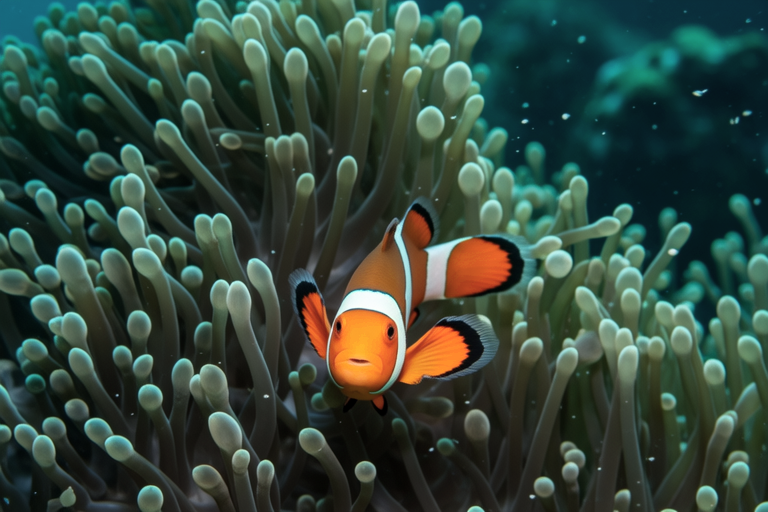
Adorable Clownfish: The Funny, Social Fish That Can Thrive in Captivity
Welcome to the enchanting world of clownfish! These vibrant, sociable fish are not only visually captivating but also incredibly amusing to watch. Known for their distinctive orange and white stripes, clownfish have captured the hearts of many aquarists with their playful antics and endearing personalities. In this article, we will explore the different species of clownfish, their behavior, diet, and how they interact within their environment. We’ll also delve into why these fish are popular pets, ideal tank conditions for keeping them healthy, and provide valuable tips for beginners on maintaining a thriving clownfish aquarium.
Clownfish Species
There are around 30 recognized species of clownfish, all belonging to the genus Amphiprion. Some of the most popular species include the common clownfish (Amphiprion ocellaris), the tomato clownfish (Amphiprion frenatus), and the percula clownfish (Amphiprion percula). Each species has its own unique appearance and characteristics, making them a delightful addition to any aquarium. For instance, the common clownfish has three distinct white bands on its body, while the tomato clownfish features fewer bands and a more reddish-orange coloration.
Behavior and Diet
Clownfish are known for their curious and active behavior, often darting around their habitat in search of food or exploring new objects. They are highly social creatures that prefer living in groups, especially within the safety of an anemone. In the wild, clownfish form symbiotic relationships with certain sea anemones, providing protection from predators and cleaning away debris. In return, the anemone offers shelter and food scraps. This mutualistic relationship is one of the reasons why clownfish are so fascinating to observe.
As omnivores, clownfish have a varied diet consisting of small crustaceans, algae, and zooplankton. In captivity, they can thrive on a diet of high-quality flake food, pellets, and occasional live or frozen foods such as brine shrimp and mysis shrimp. It’s essential to offer a balanced diet to ensure optimal health and growth.
Social Nature and Amusing Behavior
One of the most appealing aspects of clownfish is their social nature. They are known to be quite interactive and playful, often engaging in activities like chasing each other or performing acrobatic maneuvers. Their lively behavior makes them a joy to watch, and their interactions can bring hours of entertainment to aquarium enthusiasts. Additionally, clownfish are relatively easy to breed in captivity, allowing hobbyists to witness the entire life cycle from egg to adult.
Popularity as Pets
The rise in popularity of clownfish as pets can be attributed to several factors. Firstly, their striking appearance and friendly demeanor make them an attractive choice for both novice and experienced aquarists. Secondly, thanks to the movie Finding Nemo, clownfish have gained widespread recognition and admiration. Many people who were introduced to these fish through the film have since become interested in keeping them as pets. Lastly, clownfish are relatively hardy and adaptable, making them suitable for a wide range of aquarium setups.
Ideal Tank Conditions
To ensure the well-being of your clownfish, it’s crucial to create an environment that mimics their natural habitat as closely as possible. A well-maintained aquarium with appropriate water parameters and suitable tank mates is essential for their health and happiness. Here are some key considerations:
- Water Parameters: Clownfish require stable water conditions with a pH level between 8.1 and 8.4, a temperature range of 76-82°F (24-28°C), and salinity levels of approximately 1.020-1.025 specific gravity.
- Tank Size: A minimum tank size of 20 gallons is recommended for a single pair of clownfish. However, larger tanks are preferable for groups or when housing additional species.
- Filter and Filtration: Proper filtration is vital for maintaining clean water and removing waste products. Choose a filter that provides adequate biological, mechanical, and chemical filtration.
- Lighting: Clownfish do not require intense lighting, but providing moderate lighting can enhance the overall appearance of your aquarium and promote the growth of beneficial algae.
- Decorations and Hiding Spots: Adding rocks, plants, and driftwood creates hiding spots and enriches the tank’s visual appeal. These structures also encourage natural behaviors like exploration and territorial establishment.
Tips for Beginners
If you’re new to keeping clownfish, here are some useful tips to help you get started:
- Research: Before purchasing any fish, take the time to learn about their specific needs and preferences. Understanding their behavior, dietary requirements, and compatibility with other species will help you create a successful aquarium setup.
- Quarantine: Always quarantine new fish for at least two weeks to prevent the introduction of diseases or parasites into your main tank.
- Patience: Establishing a healthy aquarium ecosystem takes time. Be patient and allow the nitrogen cycle to complete before adding fish.
- Monitoring: Regularly check water quality parameters and observe your fish for signs of stress or illness. Prompt action can prevent minor issues from escalating into more serious problems.
Suitable Tank Mates
When selecting tank mates for your clownfish, it’s important to consider compatibility based on size, temperament, and dietary habits. Some good options include:
- Other peaceful, non-aggressive clownfish species.
- Small to medium-sized, non-aggressive fish such as damsels, tangs, and wrasses.
- Invertebrates like snails, hermit crabs, and starfish.
Avoid keeping clownfish with aggressive or predatory species that may pose a threat to them. Additionally, refrain from housing them with large, territorial fish that could outcompete them for resources.
Conclusion
Clownfish are charming, social fish that can bring immense joy and fascination to any aquarium. With their vibrant colors, playful behavior, and adaptability, they make excellent pets for both beginners and seasoned aquarists alike. By understanding their specific needs and creating a suitable environment, you can ensure that your clownfish thrive and remain a delightful presence in your aquatic world. So, dive into the wonderful world of clownfish today and experience the magic they bring to your home!
