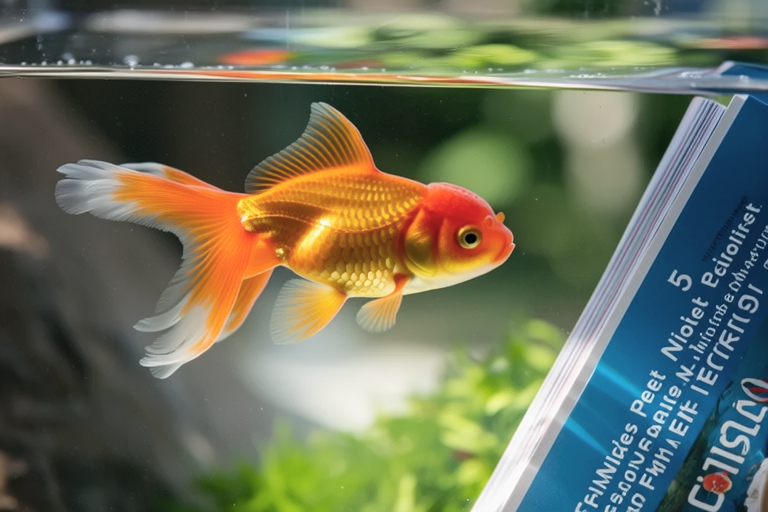
5 Common Mistakes Pet Owners Make With Their Goldfish (And How to Fix Them)
Goldfish are one of the most popular pets globally, known for their vibrant colors and graceful swimming. However, they are often underestimated in terms of the care they require. Proper maintenance is crucial for their health and longevity. Goldfish can live up to 10 years or more if cared for correctly. This article will explore five common mistakes pet owners make when caring for their goldfish and provide solutions to help you create a thriving aquatic environment.
Common Mistake 1: Inadequate Tank Size
The first common mistake many goldfish owners make is providing an insufficient tank size. Goldfish are active swimmers and need ample space to thrive. A small tank can lead to stress, stunted growth, and even premature death.
Why It’s Harmful: Inadequate space restricts the fish’s ability to swim freely, causing stress. Additionally, small tanks are more challenging to maintain in terms of water quality, leading to higher concentrations of waste products like ammonia and nitrite. These toxic substances can severely harm your goldfish.
Solution: The minimum recommended tank size for a single goldfish is 20 gallons. For every additional fish, add another 10 gallons. Ensure the tank has enough open water space for swimming. Avoid overcrowding, as it can lead to health issues and aggression among fish.
Common Mistake 2: Poor Water Quality Management
Maintaining optimal water quality is vital for the well-being of your goldfish. Many owners overlook the importance of regular water changes and proper filtration.
Why It’s Harmful: Goldfish produce a significant amount of waste, which can quickly degrade water quality. Poor water quality leads to the accumulation of harmful substances like ammonia and nitrites, which can cause severe health issues, including gill infections and fin rot.
Solution: Regularly test your water for pH, ammonia, nitrite, and nitrate levels. Perform weekly partial water changes, replacing approximately 25% of the tank water. Invest in a high-quality filter that matches the tank size and regularly clean it to maintain its efficiency. Ensure the tank has appropriate biological, mechanical, and chemical filtration systems.
Common Mistake 3: Incorrect Feeding Habits
Feeding goldfish improperly can lead to obesity, digestive problems, and shortened lifespans. Overfeeding is a frequent issue among goldfish owners.
Why It’s Harmful: Overfeeding causes uneaten food to decompose, leading to increased waste and deteriorating water quality. Excess food also disrupts the natural balance of the tank ecosystem, promoting the growth of harmful bacteria and algae.
Solution: Feed your goldfish small amounts of food two to three times daily. Only feed them what they can consume within two minutes. Opt for high-quality, nutrient-rich goldfish flakes or pellets. Consider supplementing their diet with occasional treats like freeze-dried bloodworms or brine shrimp. Monitor your fish closely during feeding times and adjust portion sizes accordingly.
Common Mistake 4: Lack of Hiding Spots
Goldfish, like all animals, need a sense of security and privacy. Providing adequate hiding spots is essential for their mental well-being.
Why It’s Harmful: Without hiding spots, goldfish may feel constantly exposed and stressed. Stress can weaken their immune system, making them more susceptible to diseases and infections. Additionally, goldfish might become territorial and aggressive towards each other without proper hiding spaces.
Solution: Incorporate various hiding spots into your tank setup, such as caves, plants, and structures. Ensure these hiding spots are safe and easy to navigate. Live or artificial plants can serve dual purposes, offering shelter and enhancing the aesthetic appeal of the tank. Position the hiding spots strategically so that each fish has access to a private area.
Common Mistake 5: Insufficient Filtration
Adequate filtration is crucial for maintaining a healthy aquatic environment for your goldfish. Insufficient filtration can lead to poor water quality and an unhealthy living space.
Why It’s Harmful: Poor filtration allows waste products to accumulate, increasing the risk of toxic conditions for your fish. This can result in respiratory issues, skin lesions, and other health problems. Additionally, inadequate filtration can lead to excessive algae growth, clouding the water and reducing visibility.
Solution: Choose a filter that provides sufficient flow and mechanical, biological, and chemical filtration based on the tank size. Ensure the filter is appropriately sized and positioned to maximize its effectiveness. Regularly clean and maintain the filter to prevent clogging and maintain its performance.
General Advice on Goldfish Care
To ensure your goldfish live long, healthy lives, follow these general guidelines:
- Water Temperature: Maintain a stable temperature between 68°F and 74°F (20°C and 23°C). Avoid sudden temperature fluctuations, as they can stress your fish.
- Decorations: Use non-toxic decorations and avoid sharp edges that could injure your fish. Ensure any decorative elements are properly cleaned before adding them to the tank.
- Breeding: If you plan to breed your goldfish, research the specific requirements carefully. Provide a separate breeding tank with suitable conditions and monitor the process closely.
- Disease Prevention: Quarantine new fish before introducing them to the main tank to prevent the spread of diseases. Regularly observe your fish for signs of illness, such as lethargy, loss of appetite, or abnormal behavior.
- Regular Maintenance: Perform routine maintenance tasks like cleaning the tank, checking equipment, and monitoring water parameters. This proactive approach helps prevent issues before they become serious.
By addressing these common mistakes and implementing the suggested solutions, you can significantly enhance the health and happiness of your goldfish. Remember, a well-cared-for goldfish is not only a joy to watch but also a testament to responsible pet ownership. Take the time to understand and meet the needs of your aquatic companions, and they will reward you with years of delightful company.
