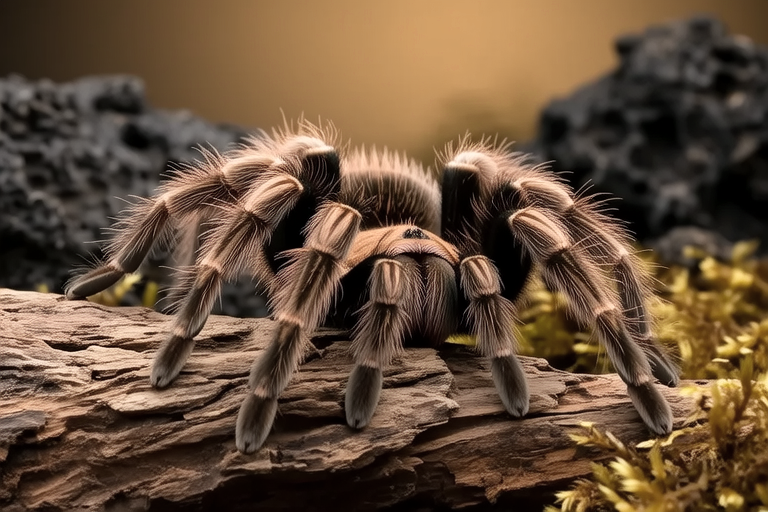
From Fear to Fascination: Why People Are Falling in Love With Tarantulas as Pets!
For many people, the thought of owning a tarantula as a pet is met with fear and trepidation. These large, hairy spiders often evoke images of aggressive predators lurking in dark corners, ready to pounce at any moment. However, this couldn’t be further from the truth. Tarantulas are actually docile creatures that require minimal care, making them an excellent choice for both novice and experienced pet owners alike. In this article, we will explore the reasons why people are falling in love with tarantulas as pets, dispelling common misconceptions and highlighting the unique behaviors that make them fascinating companions.
Dispelling Misconceptions: The Truth About Tarantulas
One of the most common misconceptions about tarantulas is that they are aggressive and dangerous. While it’s true that tarantulas can bite if provoked, they are generally quite docile and prefer to avoid confrontation. Their primary defense mechanism is to flee or release hairs from their abdomen that irritate the skin or eyes of potential predators. In fact, many species of tarantulas are so calm that they can be handled safely by experienced owners.
Another misconception is that tarantulas require extensive care. In reality, tarantulas are relatively low-maintenance pets compared to other animals. They don’t need daily walks or constant attention, and their dietary needs are simple. With proper care, tarantulas can live for many years, providing companionship and fascination to their owners.
Varieties Suitable for Beginners
When considering a tarantula as a pet, it’s important to choose a species that is well-suited to your level of experience. For beginners, some of the best choices include:
- Baby Blue Bolivian (Grammostola pulchra): Known for its striking blue coloration and docile temperament, this species is a favorite among beginners.
- Brown Recluse (Gertschella reclusa): Despite its fearsome name, this species is gentle and makes an excellent first tarantula.
- Chaco Golden Knee (Grammostola aureostriata): This species is known for its golden knee patches and calm demeanor, making it an ideal choice for those new to tarantula ownership.
Ideal Housing Conditions
Proper housing is crucial for the health and happiness of your tarantula. A glass terrarium with a secure lid is the ideal enclosure, providing ample ventilation while preventing escapes. The size of the enclosure should be appropriate for the species; as a general rule, the tank should be at least three times the length of the spider’s leg span. Substrate such as coconut fiber, peat moss, or vermiculite should be provided to allow for burrowing behavior. Humidity levels should be maintained between 60-80%, depending on the species, and temperatures should range from 75-85°F (24-29°C).
Dietary Requirements
Tarantulas are carnivorous, feeding primarily on insects such as crickets, mealworms, and dubia roaches. The frequency of feeding depends on the age and size of the tarantula, but generally, they should be fed once or twice a week. It’s important to gut-load feeder insects with nutritious foods prior to offering them to your tarantula to ensure optimal nutrition. Additionally, a shallow water dish should always be available to provide hydration.
The Unique Behaviors That Make Them Fascinating
Tarantulas exhibit a wide range of fascinating behaviors that make them captivating companions. One of the most interesting is their ability to molt, shedding their exoskeleton to grow. During this process, tarantulas become very vulnerable, so it’s important to handle them gently. Another unique behavior is their hunting techniques. Many species use ambush tactics, lying in wait for prey to pass by before striking. Others actively hunt, chasing down their food with surprising speed and agility.
Stories of Transformation: From Fear to Love
Many tarantula owners have experienced a transformation from fear to fascination as they’ve come to understand and appreciate these remarkable creatures. One such owner, Sarah Thompson, shares her story:
“I was initially terrified of tarantulas, imagining them as vicious predators. But after adopting my first baby blue bolivian, I quickly realized how gentle and fascinating they can be. Watching her molt and hunt has been one of the most rewarding experiences of my life.”
Another owner, John Davis, echoes similar sentiments:
“I used to think tarantulas were scary, but after researching and learning more about them, I found myself drawn to their unique behaviors and docile nature. Now, I can’t imagine life without my pet tarantula.”
Tips for Responsible Tarantula Ownership
If you’re considering adding a tarantula to your family, there are several important steps to take to ensure responsible ownership:
- Research thoroughly: Learn about the specific needs of the species you’re interested in before making a commitment.
- Provide proper housing: Ensure your tarantula has an appropriate enclosure with the right temperature, humidity, and substrate.
- Feed appropriately: Offer a balanced diet of gut-loaded insects to keep your tarantula healthy.
- Handle with care: Always support the body when handling your tarantula to prevent injury.
- Monitor health: Keep an eye out for signs of illness, such as lack of appetite or unusual behavior.
Why Tarantulas Are Becoming Increasingly Popular Pets
Tarantulas are becoming increasingly popular pets for several reasons. First, they are relatively inexpensive to purchase and maintain compared to many other exotic pets. Second, their docile nature and minimal care requirements make them accessible to a wide range of pet owners. Finally, the unique behaviors and fascinating characteristics of tarantulas offer a level of entertainment and engagement that is hard to find in other pets.
In conclusion, tarantulas are far from the aggressive, dangerous creatures many people fear. Instead, they are fascinating, low-maintenance pets that can provide years of enjoyment and companionship. By understanding their needs and behaviors, even those with an initial fear of spiders can come to love and appreciate these remarkable creatures. Whether you’re a seasoned pet owner or a beginner looking for a unique companion, a tarantula may just be the perfect addition to your household.
