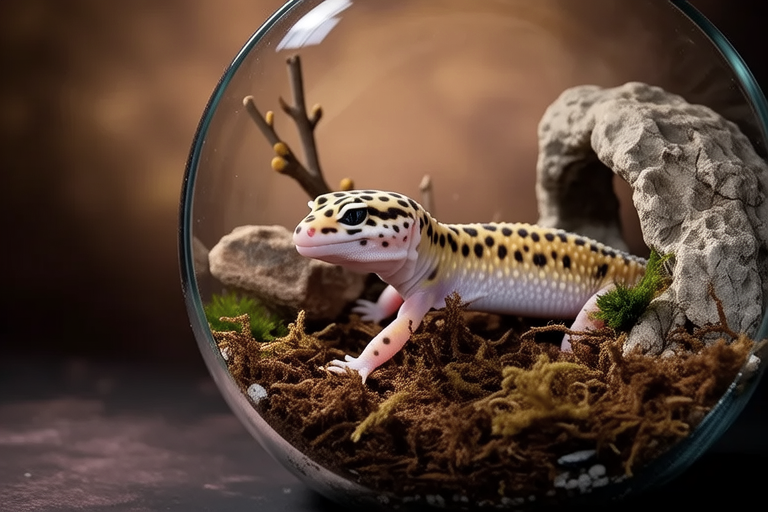
DIY Decorations: Create an Amazing Habitat for Your Leopard Gecko
Welcome to the world of pet ownership, where your creativity can significantly enhance the quality of life for your beloved leopard gecko. In this comprehensive guide, we will walk you through the essential habitat requirements, safety tips, DIY decoration ideas using common household items, step-by-step instructions for creating these decorations, and advice on maintaining a healthy environment for your leopard gecko. By following these guidelines, you’ll be able to craft a stimulating and safe habitat that closely mimics their natural environment.
Essential Habitat Requirements
Before diving into the creative aspects of decorating your leopard gecko’s home, it’s crucial to understand its basic needs. Leopard geckos are nocturnal animals native to arid regions, so their habitat should reflect this. Here are the key elements:
- Temperature Gradient: A temperature gradient allows your gecko to regulate its body temperature. The warm side should be around 88-90°F (31-32°C), while the cool side should be around 75-80°F (24-27°C).
- Humidity: Leopard geckos require a humidity level between 30-40%. Use a hygrometer to monitor this.
- Hiding Places: These reptiles need places to hide to feel secure. Providing several hiding spots is essential.
- Basking Spot: A small heat lamp or ceramic heater provides a warm spot for basking.
- Substrate: Use a safe substrate like paper towels, reptile carpet, or calcium sand.
- Water Source: Fresh water should always be available in a shallow dish.
Safety Tips
Creating a safe habitat is paramount. Here are some tips to ensure your gecko’s safety:
- Avoid loose substrates like gravel or wood chips which can cause impaction if ingested.
- Ensure all decorations are securely attached to prevent falls.
- Regularly clean the enclosure to prevent the buildup of bacteria and mold.
- Use non-toxic materials when crafting decorations.
- Check that all lighting and heating equipment is functioning correctly and safely.
DIY Decoration Ideas Using Common Household Items
With a little imagination, you can transform simple household items into fantastic decorations for your leopard gecko’s habitat. Here are some ideas:
1. Paper Towel Rolls
Paper towel rolls make excellent hiding spots. They’re lightweight, easy to decorate, and safe for your gecko.
2. Egg Cartons
Egg cartons can be used to create caves and tunnels. They’re inexpensive and provide multiple hiding spots.
3. Cork Bark
Cork bark is a natural choice for adding texture and hiding spots. It’s also great for climbing.
4. Rocks and Branches
Rocks and branches add height and dimension to the enclosure. Ensure they’re smooth and free from sharp edges.
Step-by-Step Instructions for Creating Decorations
1. Making Hiding Spots from Paper Towel Rolls
- Take a paper towel roll and cut it to the desired length.
- Wrap it with reptile-safe fabric or paper to cover any writing.
- Secure the covering with glue or tape.
- Place the decorated roll in the enclosure as a hiding spot.
2. Crafting Egg Carton Caves
- Take an egg carton and cut out individual cups.
- Decorate the cups with reptile-safe paint or fabric.
- Arrange the decorated cups in the enclosure to create caves.
3. Adding Cork Bark
- Choose a piece of cork bark that fits your enclosure.
- Attach it to the wall or floor using reptile-safe adhesive.
- Ensure the bark is securely fastened and won’t come loose.
4. Incorporating Rocks and Branches
- Select rocks and branches that are appropriate for the size of your gecko.
- Wash and sterilize them before placing them in the enclosure.
- Position them carefully to avoid blocking heat lamps or creating dangerous overhangs.
Maintaining a Healthy Environment
Maintaining a healthy environment for your leopard gecko involves regular cleaning and monitoring. Here’s how to keep your gecko’s habitat in top condition:
- Spot Cleaning: Remove waste daily and replace soiled substrate.
- Deep Cleaning: Clean the entire enclosure once a week, disinfecting all surfaces.
- Monitor Temperature and Humidity: Regularly check these levels to ensure they remain within the recommended range.
- Lighting and Heating: Replace bulbs as needed and inspect equipment regularly for wear and tear.
- Health Checks: Keep an eye on your gecko’s behavior and appearance. Any changes could indicate health issues.
In conclusion, creating a stimulating and safe habitat for your leopard gecko is both rewarding and enjoyable. By understanding their essential habitat requirements, following safety tips, crafting unique decorations from common household items, and maintaining a healthy environment, you can ensure your gecko thrives. Remember, the closer you can mimic their natural environment, the happier and healthier your pet will be. Happy decorating!
