Tarantulas Uncovered: Revealing the Truth Behind These Spooky but Sweet Pets
When most people think of tarantulas, they envision large, hairy spiders with venomous fangs that lurk in dark corners, ready to pounce on unsuspecting victims. However, this image is far from accurate. Tarantulas are fascinating creatures that have been unfairly maligned due to misconceptions and Hollywood portrayals. In this article, we will uncover the truth behind these spooky yet sweet pets, dispelling common myths and revealing the reality of tarantula ownership.
Dispelling Common Myths About Tarantulas
One of the most prevalent myths about tarantulas is that they are aggressive and dangerous to humans. While it’s true that tarantulas can bite if provoked, their venom is generally no more harmful than a bee sting. Another misconception is that all tarantulas are fast runners, capable of chasing down prey at high speeds. Most tarantulas prefer to ambush their food rather than actively pursue it. Additionally, many people believe that tarantulas are blind, which is simply not true. While their eyesight isn’t great, they rely heavily on their sense of touch and vibrations to navigate their environment.
Physical Characteristics
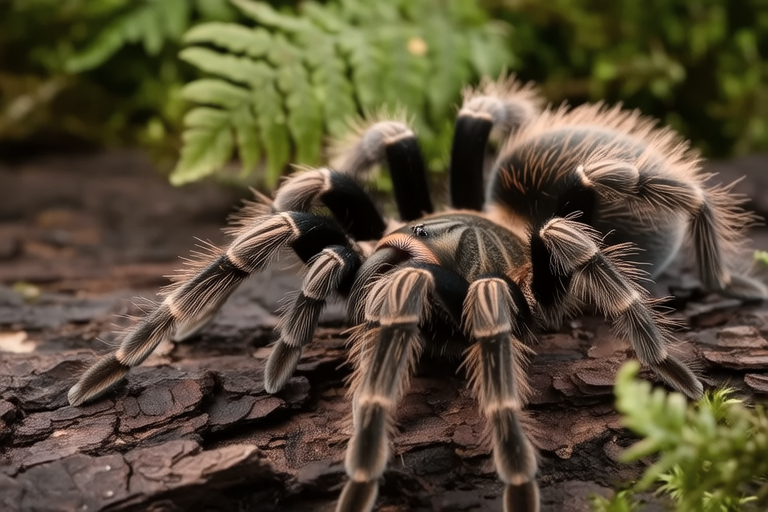
Tarantulas come in a wide variety of sizes, colors, and patterns. The largest species can grow up to 10 inches in leg span, while some of the smaller ones measure just a few centimeters. Their bodies are covered in fine hairs that serve multiple purposes, including sensory perception and defense mechanisms. Some tarantulas can even release these hairs when threatened, causing irritation to predators.
Their legs are equipped with tiny claws and specialized hairs that allow them to grip surfaces securely. This enables them to climb walls and other vertical structures with ease. Despite their intimidating appearance, tarantulas are quite gentle creatures. They move slowly and deliberately, rarely showing signs of aggression unless provoked.
Behavior and Dietary Needs
Tarantulas are solitary animals that spend most of their time in burrows or crevices. They are primarily nocturnal, meaning they are most active during the night. During the day, they rest in shaded areas, conserving energy for hunting and other activities.
In terms of diet, tarantulas are carnivorous, feeding mainly on insects, small vertebrates, and other arachnids. Depending on the size of the tarantula, its meals may include crickets, mealworms, dubia roaches, and even small mice. It’s important to note that tarantulas have different nutritional requirements depending on their age and species. Juvenile tarantulas require more frequent feedings compared to adults, who may only eat once every few weeks.
Tips for Potential Tarantula Owners
Proper Housing
Creating a suitable habitat for your tarantula is crucial for its well-being. A glass terrarium with a secure lid is ideal, providing ample space for your pet to roam freely. The substrate should be at least two to three inches deep, allowing your tarantula to dig and create a comfortable environment. Suitable substrates include coconut fiber, peat moss, or a mixture of both. Humidity levels should be maintained between 60% and 80%, depending on the species.
Temperature control is also essential, with most tarantulas thriving in temperatures ranging from 75°F to 85°F (24°C to 29°C). Use a heat mat or under-tank heater to maintain consistent warmth throughout the enclosure. Proper ventilation is necessary to prevent mold growth and ensure fresh air circulation.
Handling Techniques
While tarantulas are generally docile, they should never be handled roughly or picked up by the body. Instead, gently coax them onto a flat surface or into a container using a soft brush or paper. Always wash your hands before and after handling your tarantula to avoid transferring oils or chemicals that could harm them.
Health Care
Regular observation of your tarantula’s behavior and physical condition can help detect any potential health issues early on. Signs of illness may include loss of appetite, lethargy, abnormal movements, or changes in coloration. If you notice any concerning symptoms, consult a veterinarian specializing in exotic animals for advice.
Maintaining clean living conditions is vital for preventing diseases and infections. Clean the enclosure weekly, removing waste and replacing soiled substrate. Avoid overcrowding the enclosure with too many decorations or accessories, as this can make cleaning difficult.
Personal Anecdotes and Expert Quotes
“I’ve had my Chilean Rose tarantula, Charlie, for over five years now,” says Sarah Thompson, a seasoned tarantula owner. “He’s such a calm and peaceful creature. Watching him interact with his surroundings brings me joy every day.”
Dr. Emily Carter, a reptile and amphibian specialist, adds, “Owning a tarantula can be incredibly rewarding. They’re low-maintenance pets that offer unique companionship. Just remember to respect their natural behaviors and provide them with the care they need.”
Whether you’re a seasoned arachnid enthusiast or a curious newcomer, tarantulas offer a world of wonder and fascination. By understanding their needs and providing appropriate care, you can enjoy the company of these incredible creatures for years to come.
